


 (+86) -178 6785 5447
(+86) -178 6785 5447
(+86) -178 6785 5447



محتوى
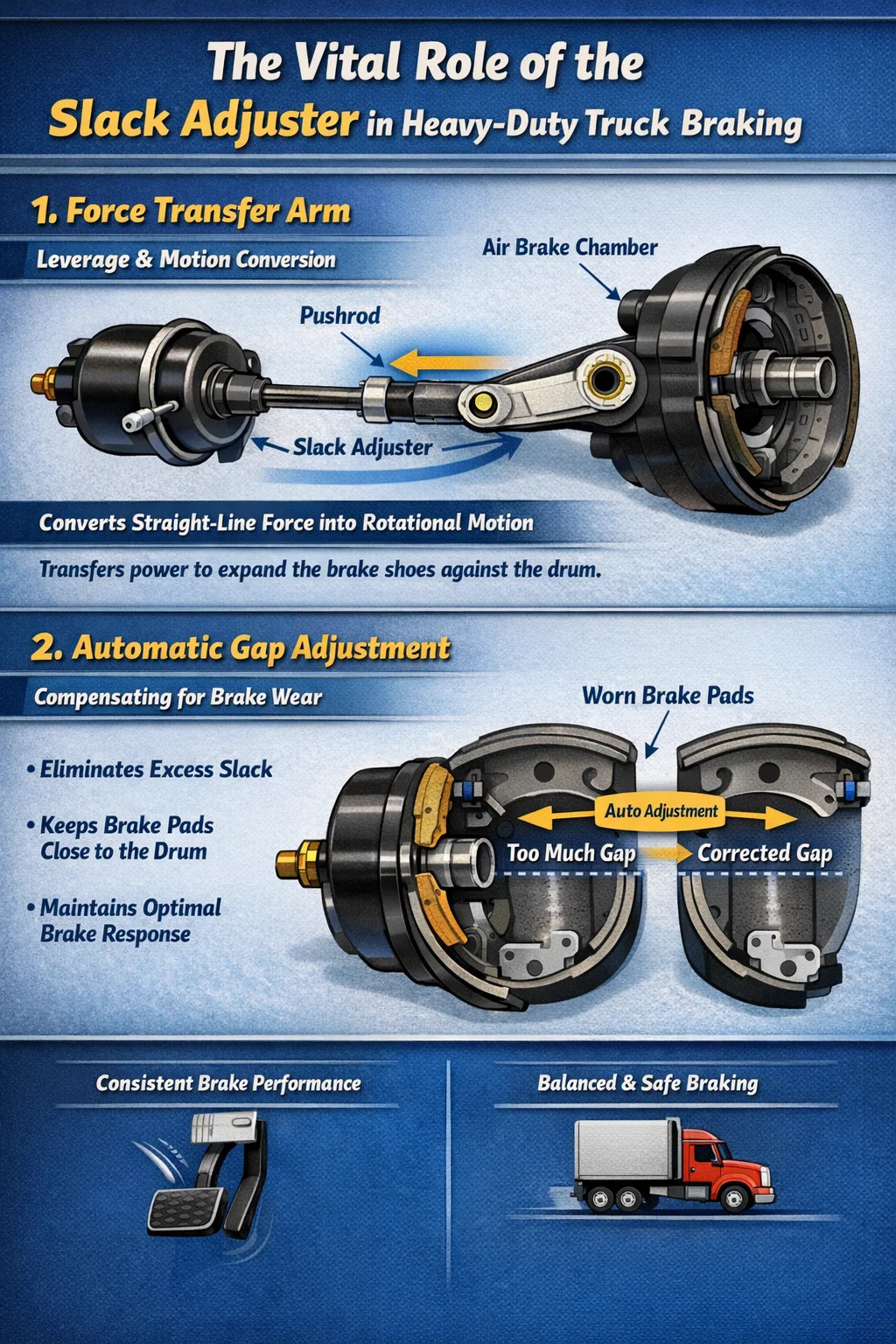
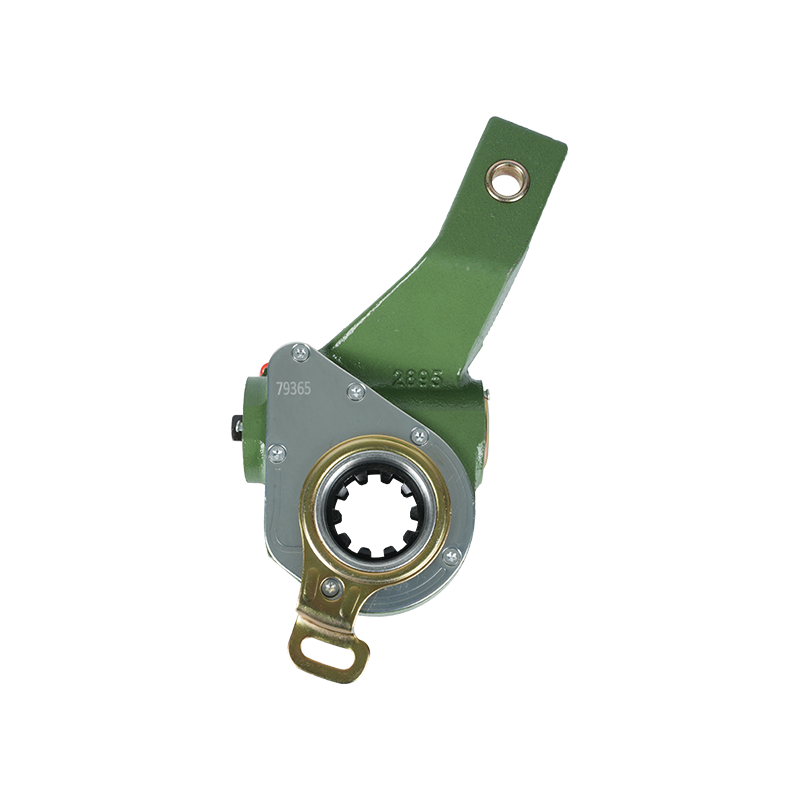
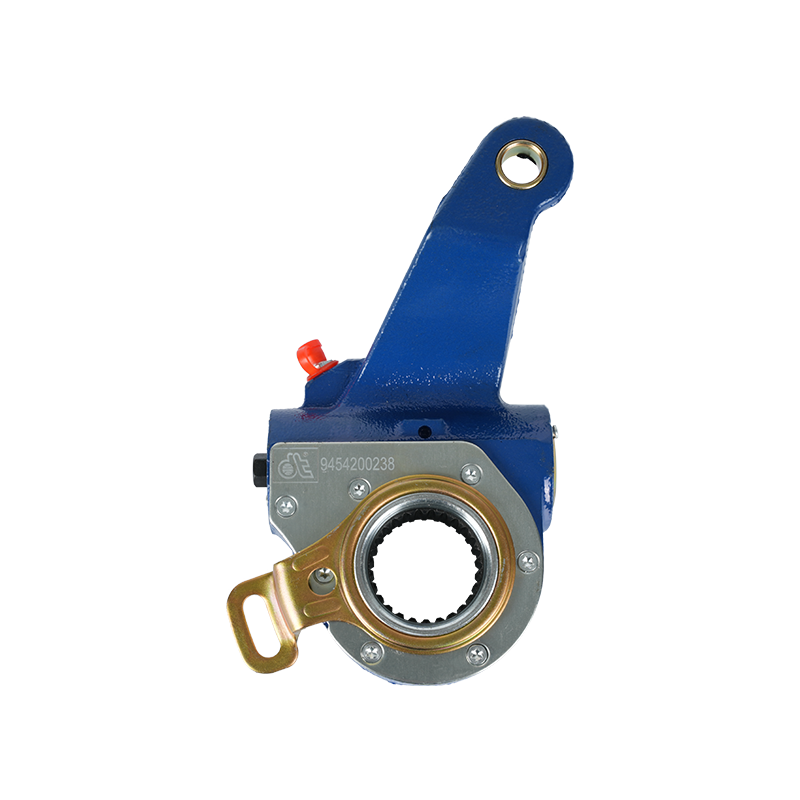
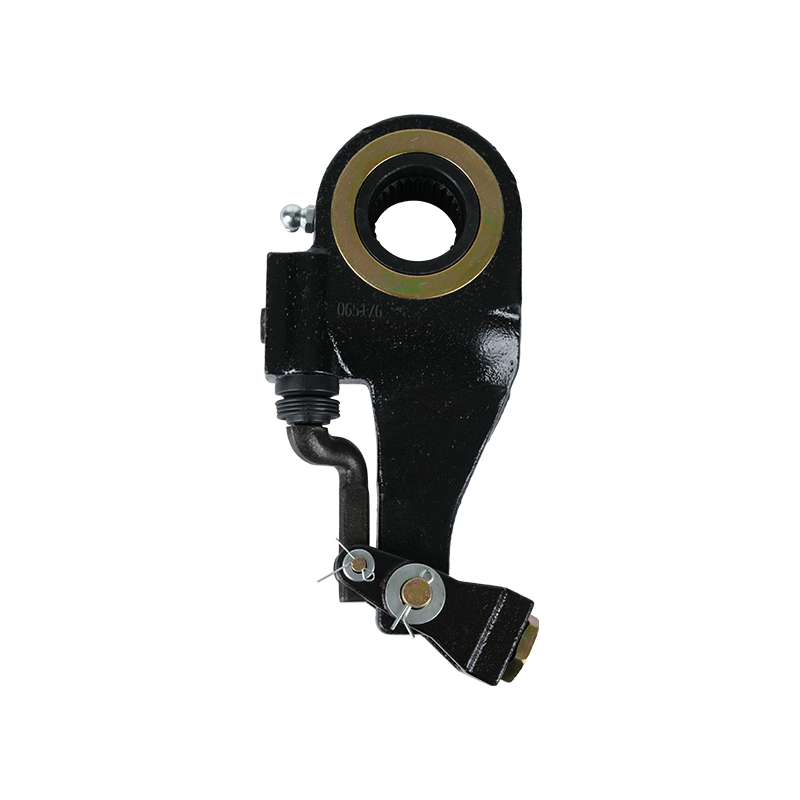
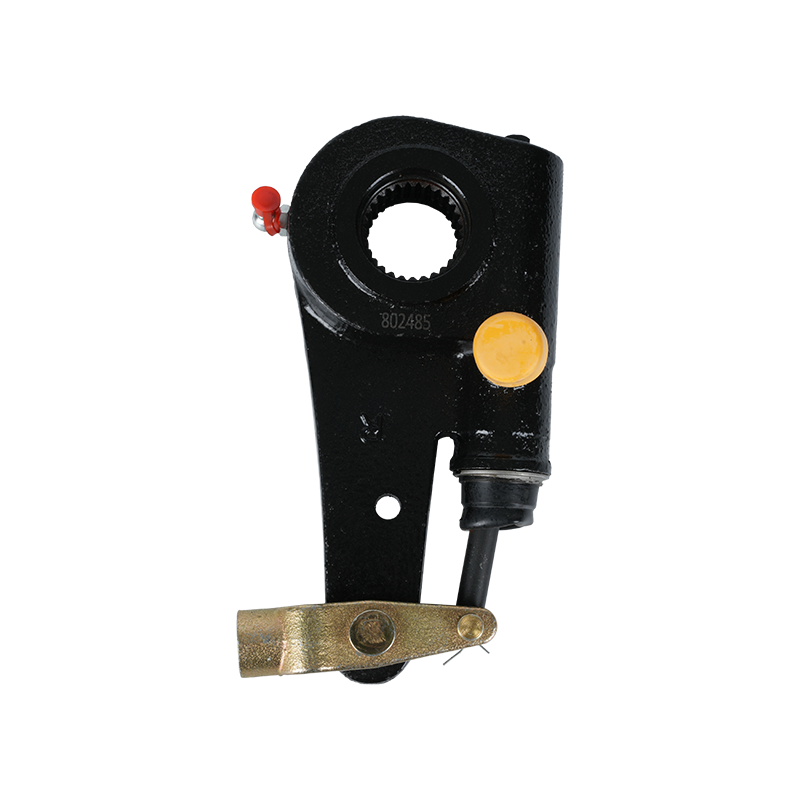
Slack adjusters play two crucial roles in the braking system of heavy-duty trucks. If the braking system were an arm, this component would be both the "joint" and the "precision engineer."
This is its basic physical function. When you press the brake pedal, the air chamber generates a forward thrust, but this force cannot be directly transmitted to the wheels.
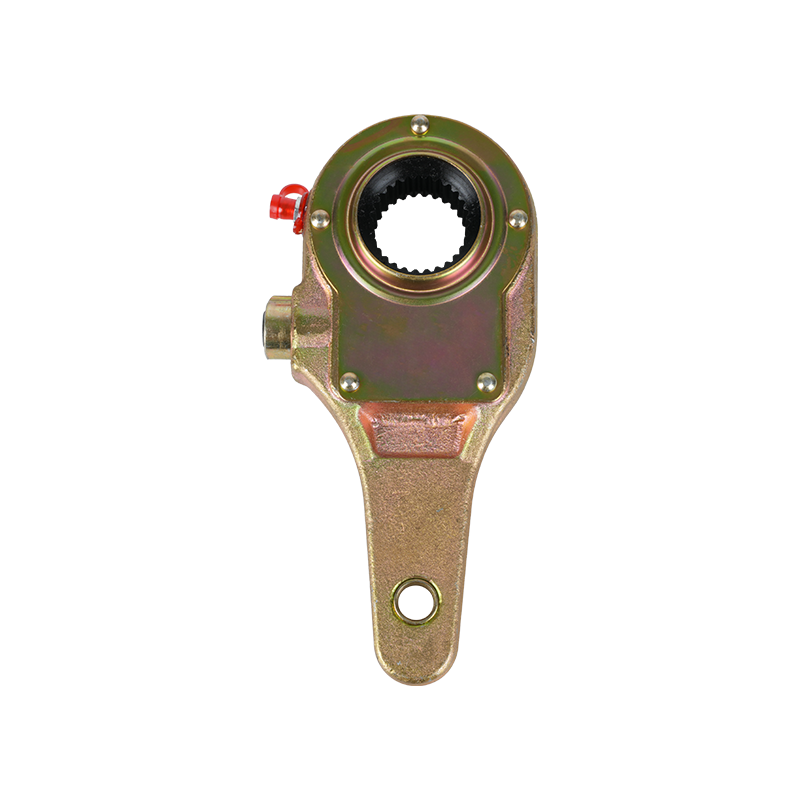
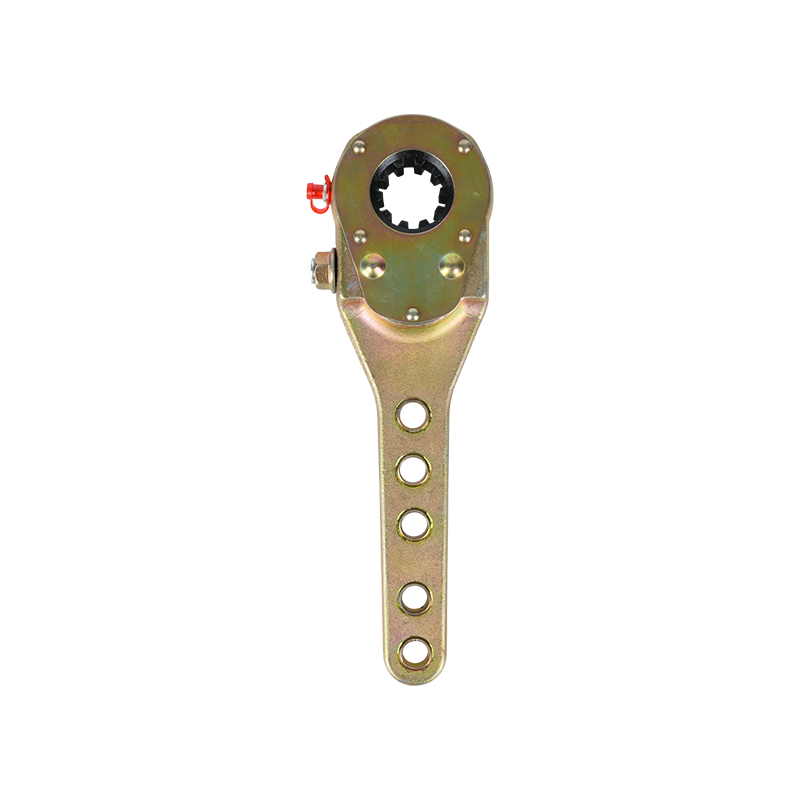
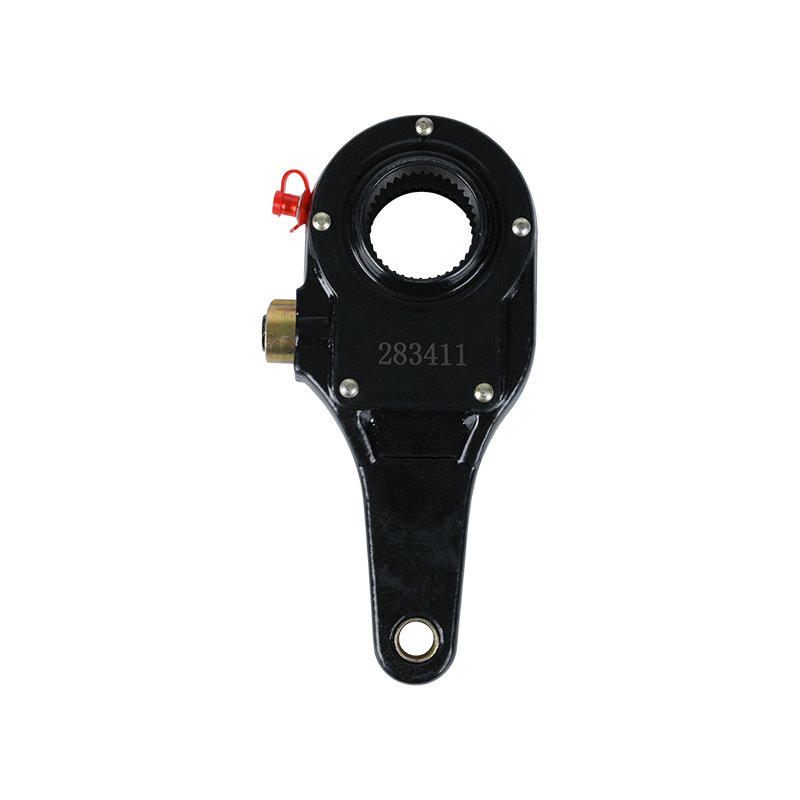
Leverage: Slack adjusters act like a powerful lever. One end is connected to the pushrod of the air chamber, and the other end is attached to the brake camshaft.
Motion conversion: It converts the "straight-line" thrust from the air chamber into rotational force. This rotation expands the brake shoes inside the wheel, causing them to press tightly against the brake drum.
Effect: Without it, the force from the air chamber cannot be effectively transmitted to the brake pads, and the vehicle will not stop.
This is its smartest and most important function. Brake pads thin out with repeated friction, causing the distance between the brake pads and the brake drum to increase.
Eliminating slack: As the name suggests, its job is to eliminate this "slack." If the gap is too large, the pushrod will have to travel a long distance before the brakes engage when you press the pedal, leading to delayed response or even brake failure.
Maintaining consistency: Slack adjusters subtly adjust themselves with each braking action, ensuring that the brake pads are always just "touching" the edge of the brake drum.
Effect: This ensures that the feel of the brake pedal is consistent with each press, and the braking response is always optimal. It also ensures balanced braking force across all wheels, preventing the vehicle from veering during braking.


 English
 中文简体
中文简体 русский
 عربى
عربى